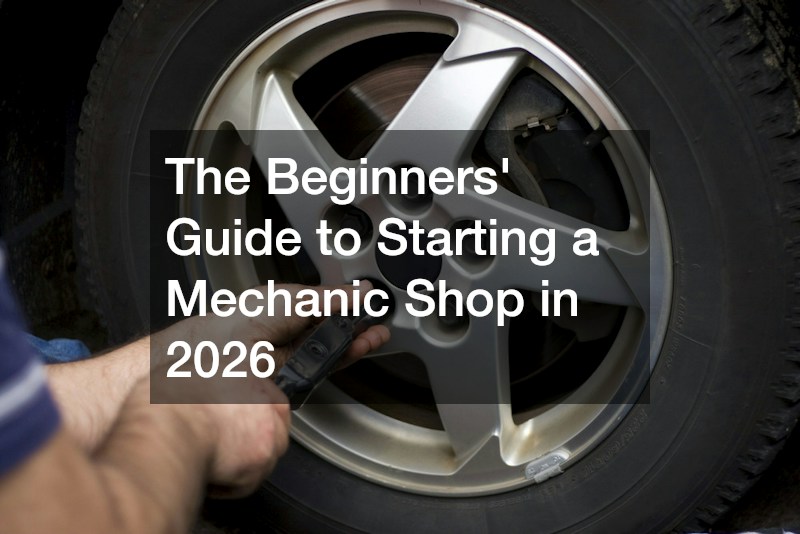

Starting a mechanic shop can be a rewarding venture in 2026, providing essential services in the expanding automotive service industry. As cars become more complex, the demand for skilled mechanics also rises, making now an ideal time to enter the market. This guide will help aspiring business owners understand the crucial steps and strategic decisions required to open a successful mechanic shop.
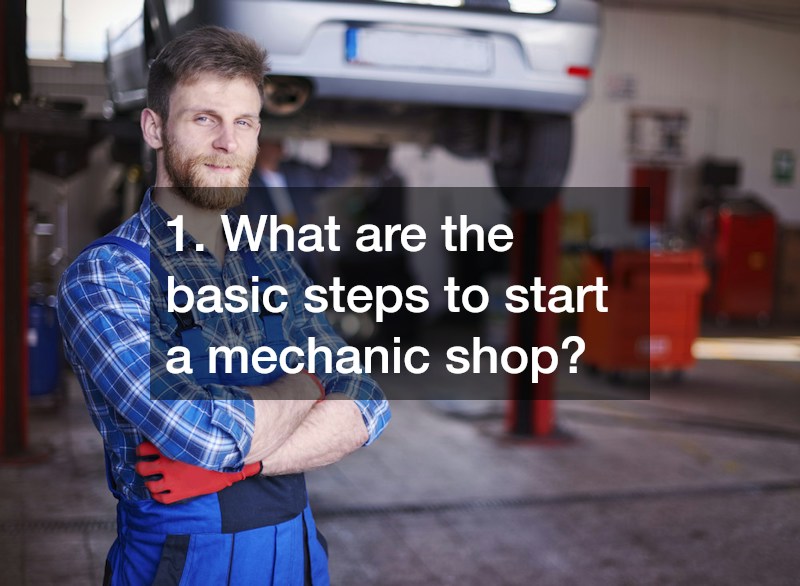
1. What are the basic steps to start a mechanic shop?
Beginning your journey with a mechanic shop necessitates understanding and acquiring the correct licenses and permits. These documents affirm that your business is legally compliant and ready to operate, ensuring all activities are conducted within the regulatory framework. Checking both local and federal requirements will be an essential first step in your setup process.
Creating a robust business plan is another foundational step when starting your mechanic shop. A well-crafted plan will outline your objectives, market research, financial projections, and strategies, acting as a roadmap for your business operations. It is also vital for securing financing and guiding the growth of your enterprise over time.
Identifying your target market and competitive landscape is crucial in forming an effective strategy. Understanding the specific needs of your community will help tailor your services and highlight unique offerings to distinguish your mechanic shop from competitors. Additionally, this knowledge will support marketing efforts and customer retention initiatives.
2. How can I incorporate auto tinting services into my mechanic shop?
Offering auto tinting services can be a lucrative addition to a mechanic shop. Auto tinting not only enhances the aesthetic appeal of vehicles but also provides practical benefits such as heat reduction and UV protection. Including this service can attract customers looking for both functional enhancements and safety improvements for their cars.
To incorporate auto tinting effectively, acquiring proper training and certification is crucial. Mastering the skills and technical knowledge of tint application ensures high-quality service delivery and customer satisfaction. Moreover, certification acts as a mark of reliability and proficiency in this specialized service.
Marketing your auto tinting services actively will increase its visibility and attract more customers to your mechanic shop. Highlighting the advantages of tinted windows, such as increased car value and improved driving comfort, can persuade potential clients. Establishing partnerships with vehicle dealerships and local car clubs can also foster new business opportunities.
3. Why are retail sizing labels important for a mechanic shop?
Incorporating retail sizing labels in a mechanic shop significantly enhances inventory organization. By clearly marking and categorizing parts, it reduces the time spent searching for specific items, thereby boosting overall shop efficiency. Labels make it easier for staff to manage stock, minimizing errors and streamlining operations.
Retail sizing labels improve customer experience by providing a sense of professionalism and orderliness within the shop. Customers are more likely to trust a well-organized business that showcases its attention to detail and commitment to operational excellence. These labels help set a high standard of service, contributing to increased client satisfaction and loyalty.
Utilizing an effective labeling system also facilitates better inventory tracking, aiding in timely restocking and reducing material wastage. It ensures that your mechanic shop always has the necessary parts available, thus maintaining steady service levels. Implementing a systematic approach to inventory control can elevate your shop’s operational capabilities significantly.
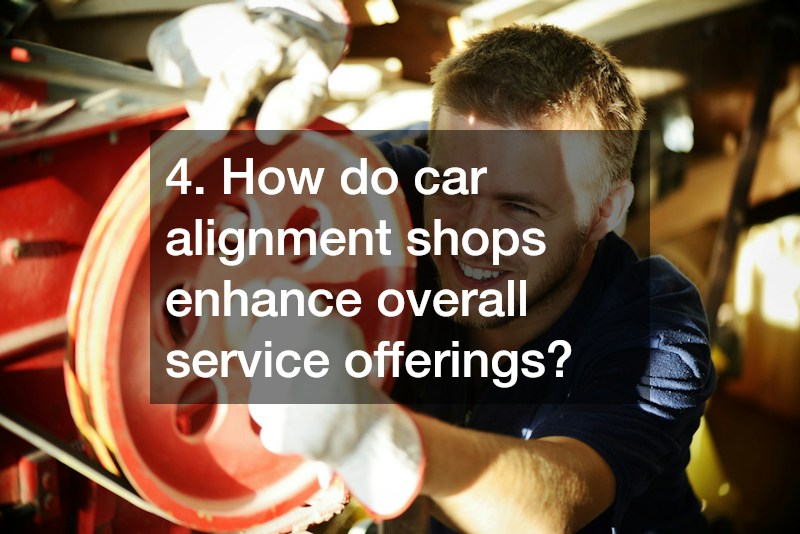
4. How do car alignment shops enhance overall service offerings?
Adding car alignment services to your mechanic shop can greatly enhance its service offerings. Car alignment shops specialize in aligning vehicle wheels, ensuring optimal driving performance and safety. By incorporating these services, your shop can address a wider range of customer needs, increasing your business’s value proposition.
Understanding alignment services involves recognizing the importance of maintaining even tire wear and efficient fuel consumption. Offering these services requires investment in precise tools and equipment, such as alignment gauges and lifts. With the right resources and skills, your shop can provide accurate alignments, ensuring customer satisfaction and loyalty.
Proper training is essential for technicians to deliver reliable and high-quality alignment services. Continuing education on the latest alignment technology and techniques keeps your staff informed, competent, and competitive. Investing in alignment services expands your mechanic shop’s capabilities, attracting a broader client base.
5. What role does a forklift play in a mechanic shop?
Forklifts play a critical role in the functionality and efficiency of a mechanic shop, particularly in handling heavy automotive parts. By using a forklift, employees can manage large loads effectively, reducing the risk of strain and injury associated with manual lifting. This equipment is invaluable in maintaining a safe and productive work environment.
The inclusion of a forklift in a mechanic shop ensures that heavy parts are handled with precision and care, preventing potential damage. This capability broadens the scope of your shop’s operations, allowing for more extensive repair and maintenance tasks. Furthermore, the time saved in moving parts quickly translates to increased throughput and customer satisfaction.
Safety is paramount when operating a forklift, necessitating comprehensive training for all operators. Proper instruction on forklift operation reduces the likelihood of accidents and optimizes the efficiency of material handling processes. Ensuring that your team is equipped and trained adequately will reap long-term benefits in safety and productivity.
6. How can adding towing services benefit a mechanic shop?
Providing towing services within a mechanic shop can significantly expand its service range and attract more customers. It complements existing offerings by providing a seamless end-to-end solution for vehicle breakdowns and transport needs. Towing services create additional revenue streams and strengthen customer convenience and loyalty.
Integrating towing into your mechanic shop requires strategic considerations, including investing in tow truck fleets and trained personnel. Assessing local demand and forming partnerships with insurance companies or roadside assistance programs can enhance your towing service’s market competitiveness. Careful operational planning is essential to successfully implement and manage these services.
Moreover, towing services can act as a valuable marketing tool, generating word-of-mouth recommendations from satisfied customers. Providing prompt and reliable towing can distinguish your shop from competitors, potentially increasing repeat business. The right mix of service excellence and strategic partnerships is key to realizing the full potential of offering towing services.

7. Why is offering Subaru repair services a smart choice?
Focusing on Subaru repair services can set a mechanic shop apart, targeting a niche market with dedicated clientele. Subaru cars possess unique engineering and repair needs, which require brand-specific knowledge and expertise. Catering to this brand can increase customer trust and satisfaction, leading to repeat business.
Acknowledging market demand for specialized Subaru repair services is important, as it can position your shop as a go-to solution for Subaru owners. These customers seek mechanics who are not only proficient but also passionate about the brand. Building a reputation as a Subaru specialist can draw enthusiasts and foster long-term relationships with loyal clients.
Staying updated on Subaru repair trends, technologies, and certifications lends credibility to your mechanic shop. Continuous professional development in these areas supports top-tier service delivery aligned with the latest industry standards. Encouraging expert staff growth in brand-specific repairs enhances your shop’s service menu and reputation.
8. What must be kept in mind when installing automatic doors?
Installing automatic doors in a mechanic shop enhances both operational efficiency and customer comfort. Automatic door systems are inviting and convenient, improving shop accessibility and throughput. Choosing the right system involves evaluating shop layout, traffic flow, and specific customer needs to ensure optimal performance and satisfaction.
Consideration of maintenance requirements and costs is crucial when introducing automatic doors. Regular upkeep of door systems prevents unplanned downtimes and associated inconveniences to both staff and customers. Establishing a routine maintenance schedule preserves the investment, ensuring long-term functionality and reliability.
Security is another consideration, as automatic doors should incorporate safety features to prevent injuries and unauthorized access. Ensuring compliance with local safety standards and employing trained staff for door operations are necessary precautions. Carefully balancing aesthetics, technology, and functionality makes automatic doors a valuable addition to any mechanic shop.
9. How to effectively provide auto glass services?
Auto glass services are a critical component in the comprehensive offerings of a mechanic shop. Quality auto glass services involve repair, replacement, and maintenance of vehicle windows, enhancing safety and aesthetics. Equipping your shop with the necessary tools, such as windshield installation kits and resin materials, is paramount for delivering top-notch service.
Thorough training is essential for technicians to master the skills required for precise glass work. Knowing how to handle various glass types and sizes minimizes the risks of improper installation or damage. This expertise conveys reliability to customers, reinforcing their trust in your mechanic shop’s capabilities.
Auto glass services can be paired with complementary offerings, like detailing or tinting, to create personalized packages for customers. These bundles add value and convenience, encouraging clients to engage in more services during each visit. Promoting these comprehensive solutions can set your mechanic shop apart through added client value and satisfaction.

10. What are the essentials of running an auto body shop?
Operating an auto body shop involves mastering repair equipment and techniques to restore vehicles to their original condition. Having access to high-quality body repair tools, such as spray booths, sanding equipment, and body fillers, is foundational to delivering professional-grade repairs. This not only enhances service quality but also aligns with customer expectations of excellence.
Painting and finishing techniques are essential skills required to run a successful auto body shop. Technicians must be proficient in paint matching, application processes, and finishing touches to meet aesthetic standards effectively. Investing in employee training and certification in advanced techniques is critical for sustaining service quality and differentiation.
Creating a customer-friendly environment with clear communication and transparent processes ensures operational success in an auto body context. Providing detailed estimates, timelines, and frequent updates underscores professionalism and respect for client time and investment, building trust and satisfaction.
11. How to price the services in a mechanic shop?
Determining competitive pricing strategies for a mechanic shop requires market analysis and a clear understanding of cost structures. Analyzing competitor pricing and customer willingness to pay provides a framework for establishing your pricing strategy. Setting fair, competitive prices attracts customers while aligning service options with their perceived value.
In addition to focusing on competitive pricing, mechanic shops should explore value addition and upselling options. Bundling services and offering maintenance packages can encourage broader customer engagement and increased sales per visit. Tailoring promotions and exploring upselling techniques enhance customer satisfaction and revenue potential.
Transparent and consistent pricing practices foster trust and emphasize business integrity. Providing customers with detailed invoices and outlining costs justly assures them of the pricing rationale. This transparency builds long-term relationships and reduces disputes, reinforcing customer loyalty.
12. What marketing strategies can attract customers to a mechanic shop?
Effective digital marketing techniques are essential for drawing attention to your mechanic shop, attracting new clientele, and retaining existing customers. Utilizing SEO, social media engagements, and pay-per-click advertising platforms extends your reach to target demographics. Consistency across digital platforms aids in establishing brand recognition and credibility.
Community engagement is another powerful strategy for attracting customers to your mechanic shop. Participating in local events and sponsoring relevant initiatives fosters valuable community relations and market presence. Engaging with local business networks positions your shop as a trusted, community-oriented enterprise.
Combining traditional and innovative marketing methods maximizes reach and enhances brand resonance. From hosting workshops to publishing valuable content that showcases your expertise, mechanic shops can differentiate themselves and appeal to diverse audience segments. Creativity in marketing efforts builds and sustains customer interest, driving business growth.
13. How do I ensure customer satisfaction and loyalty?
Adhering to customer service best practices is crucial in ensuring customer satisfaction and fostering loyalty for a mechanic shop. Delivering personalized experiences, maintaining high service standards, and addressing concerns promptly reflect a commitment to customer care. These efforts positively impact customer perceptions and retention strategies.
Encouraging customer feedback and using it constructively to drive improvement is vital in enhancing service quality. Gathering insights on customer experiences and acting upon them strengthens customer relationships and displays openness to growth. A responsive approach to feedback underscores reliability and dedication to meeting customer needs.
Conclusion
Venturing into the mechanic shop industry in 2026 offers exciting opportunities for aspiring entrepreneurs who are well-prepared and informed. By thoroughly understanding the basic steps and exploring diverse service offerings, aspiring shop owners can position themselves for success in this competitive landscape. Armed with this comprehensive guide and strategic insights, you are well-equipped to open and sustain a thriving mechanic shop.